


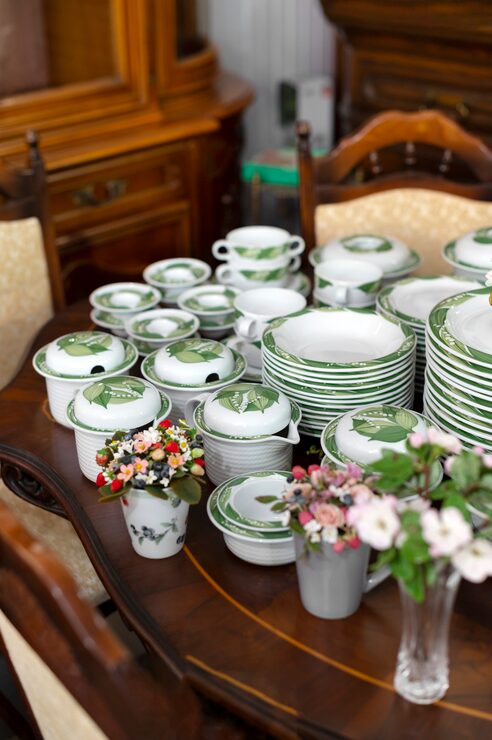
Dinner Set Price in Pakistan Guide for Modern Table Etiquette
Introduction
Designing a sophisticated dining room atmosphere requires combining proper table etiquette with high-quality tableware that matches your home culinary style. Across Pakistani households, sharing meals serves as a primary expression of hospitality, family unity, and cultural tradition. Selecting the right crockery set is not merely about holding food; it elevates everyday meal presentation, enhances guest entertainment experiences, and brings functional organization to your kitchen storage spaces. When planning household upgrades, understanding the prevailing dinner set price in Pakistan helps homeowners make informed, value-driven purchasing decisions. The local marketplace features a wide variety of choices, ranging from simple, durable melamine sets for daily family meals to luxurious imported porcelain collections for formal dining. Balancing aesthetic appeal, material resilience, piece configurations, and total cost ensures long-term satisfaction for every buyer.

Navigating the local retail landscape requires clear insight into how material density and artistic design influence pricing across physical bazaars and online shopping portals. Modern table settings emphasize harmony between crockery, flatware, drinkware, and surrounding kitchen decor. This comprehensive guide explores essential material choices, price determinants, set sizing strategies, and practical table arrangement tips to help you transform your home dining experience.
Primary Factors Influencing Tableware Pricing in Pakistan
A combination of material composition, manufacturing craftsmanship, and commercial distribution expenses influences the final price of tableware across Pakistani retail stores. Understanding these variables enables smart shoppers to evaluate products effectively before making a purchase.
- Material Composition and Density: High-grade materials like fine porcelain, translucent bone china, and heavy-duty glazed stoneware command higher prices than basic plastic or light ceramic options.
- Artistic Detailing and Glazing: Intricate hand-applied artwork, metallic gold or platinum leaf borders, and scratch-resistant protective glazes increase production value significantly.
- Package Size and Component Count: Sets range from compact 18-piece starter kits for nuclear families to expansive 72-piece or 88-piece banquet collections designed for large formal gatherings.
- Brand Prestige and Tariffs: Imported luxury tableware carries international freight costs and import tariffs, making it more expensive than locally manufactured goods.
Evaluating these core elements ensures you invest in dinnerware that offers maximum functional and aesthetic value within your designated household budget.
Material Categories and Market Price Breakdown
The Pakistani consumer market offers diverse tableware materials tailored to specific serving requirements, aesthetic preferences, and budget ranges.
1. High-Density Melamine Collections
Melamine remains one of the most practical and widely used tableware materials in Pakistani homes due to its shatterproof nature, lightweight build, and easy maintenance.
- Key Attributes: Highly break-resistant, heat-insulated, coated with smooth protective glazes, making it ideal for daily family meals and homes with active children.
- Typical Price Expectations: Complete 52-piece to 72-piece melamine collections generally range from PKR 12,000 to PKR 27,000, depending on material density and glaze quality.
2. Ceramic and Earthenware Sets
Ceramic tableware adds a warm, artisanal feel to everyday table arrangements, featuring substantial physical weight, rich colors, and microwave-safe convenience.
- Key Attributes: Safe for microwave warming, provides solid thermal retention for warm food dishes, and presents varied glazed aesthetic patterns.
- Typical Price Expectations: Standard 24-piece to 52-piece ceramic sets usually cost between PKR 15,000 and PKR 39,000, depending on brand origin and surface detail.
3. Opalware and Tempered Glassware
Opalware and toughened glass dinnerware present a sleek, modern alternative to traditional ceramics, offering lightweight handling paired with smooth non-porous surfaces.
- Key Attributes: Non-porous hygienic structure, highly resistant to daily scratching, chip-resistant edges, and effortless dishwashing compatibility.
- Typical Price Expectations: Full 72-piece double-polished glass or opalware sets range between PKR 25,000 and PKR 77,000+ for premium imported varieties.
4. Fine Porcelain and Bone China Collections
Bone china and fine porcelain represent executive-level dinnerware in Pakistan, making them top selections for formal dinners, holiday feasts, and wedding gift traditions.
- Key Attributes: Exceptional lightweight translucency, high structural strength despite thin profiles, detailed gold borders, and timeless elegance.
- Typical Price Expectations: Premium 61-piece to 88-piece bone china collections range from PKR 47,000 to PKR 122,000+, depending on gold leaf detail work and origin.
Choosing the Ideal Set Size for Your Home Setup
Selecting an appropriate piece count ensures your tableware comfortably meets daily family routine requirements while catering to visiting guests during formal events.
- 18 to 24-Piece Sets (4 to 6 Persons): Includes basic dinner plates, deep soup bowls, and side plates designed for small nuclear families or apartment living setups.
- 52-Piece Sets (6 to 8 Persons): Expands on basic plate setups by adding serving bowls, rice platters, and small dessert bowls for daily family routines.
- 72 to 88-Piece Sets (8 to 12 Persons): Full banquet sets featuring complete dinner plates, side plates, covered curry dishes, rice platters, soup bowls, spoon sets, and matching tea service collections.
Purchasing larger piece configurations often delivers lower per-piece costs, making it a smart long-term strategy for growing families or dowry arrangements.
Essential Table Etiquette and Serving Tips
Arranging a proper table setting enhances meal presentation and makes family members and guests feel truly welcomed during dinner gatherings.
- Proper Plate Placement: Center the main dinner plate on the place mat, keeping side plates for salad or bread directly to the upper left.
- Complementary Utensil Arrangement: Arrange flatware in order of use from the outside in, ensuring forks sit to the left of the plate and spoons/knives to the right.
- Serving Dish Coordination: Use deep covered serving bowls for warm curries and broad flat platters for rice dishes to maintain proper food temperature and presentation.
Maintenance and Cabinet Storage Best Practices
Implementing gentle cleaning techniques and proper cabinet storage preserves your dinnerware, keeping it bright, clean, and chip-free for decades of domestic use.
Hand-wash delicate porcelain and gold-bordered bone china using soft sponges and mild liquid soaps rather than rough metallic pads. Avoid sudden temperature shifts, such as placing cold glass dishes straight into hot ovens, to prevent thermal shock cracking. When stacking ceramic or bone china plates inside kitchen cupboards, place felt separator pads or tissue layers between pieces to prevent surface scratching.
Conclusion
Investing in high-quality dinnerware significantly enhances your home culinary presentation while ensuring long-term serving durability during family gatherings. Whether you select lightweight melamine for daily meals or fine bone china for formal hosting, staying informed about the dinner set price in Pakistan helps you spend wisely. Evaluate your family size, hosting frequency, and maintenance preferences to select a functional dinnerware set that brings elegance, warmth, and utility to your home table for years to come.